
Most educated people have not rejected “true” Christianity but a false sense of it. Christianity is a claim based within history, so we must deal with history. The modern approach to history is based upon an anti-supernatural bias. Listen to Josh explain how our perspective of history shapes our view of Christianity.
When we study history, we cannot rule out historical events or truth based on our philosophical bias. We must examine the evidence, and let the evidence lead to the truth. Josh explains the process of examining the evidence of historical events.
The Christian faith is an historical faith, and it must be examined historically. People do not reject the resurrection because of the historical evidence but because of their philosophical bias. Join Josh share an example of how assumptions about reality determine truth.
Most people reject the miracle of the resurrection because of their philosophical bias. Join Josh as he presents studying history in light of living in a “closed system.” Is it true or false?
The Christian faith is not a subjective faith but an objective faith. It is faith in Christ. The key to the Christian faith is the person of Jesus Christ. Is He who He claimed to be?
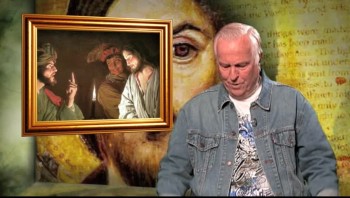
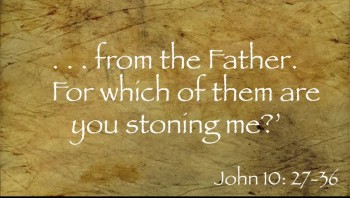
Josh goes through Mark 14:60-64, the trial of Jesus, to prove that Jesus claimed to be God. The trial of Jesus is just an outspoken, obvious declaration that He claimed to be God. It’s a very unusual trial.
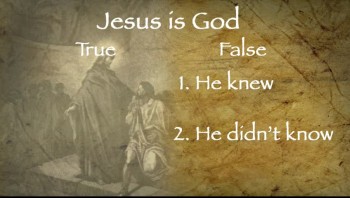
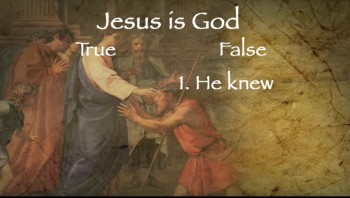
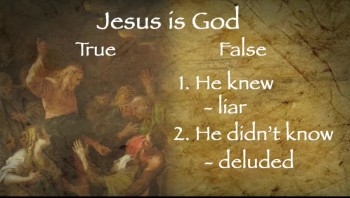
Jesus claimed to be God, and his claims lead to two alternatives: they were either false or they were true. Josh continues the breakdown of this reasoning method to prove Christ’s deity.
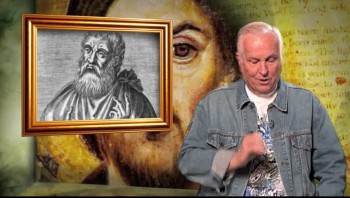
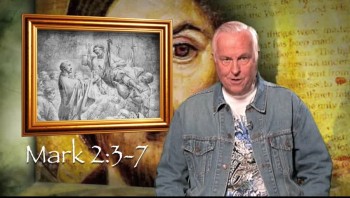
The followers of Jesus likewise proclaimed that He was God. Josh goes through Scripture accounts and statements from church fathers to prove the point.
Christ cannot be a good religious man or moral teacher when He claimed to be God. Josh continues to discuss the “trilemma” when it comes to the claims of Christ.
If Jesus’ claims were false, then He was a liar or a lunatic. If they were true, then that means He is Lord. If He is Lord, then there are two alternatives…
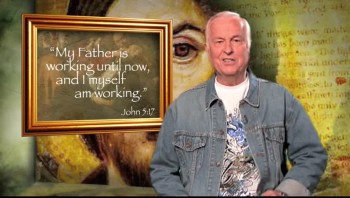
Josh explains the importance of reading Scripture in its original context and with the original audience in mind. Not doing this can cause some people to miss Jesus’ claim to be God. He did not claim to be a mortal prophet, a great man, or a great messenger, but God Incarnate.
Jesus claimed to be God in human flesh. The question is, is that true? Whether He was or not is not the issue, but the fact that He did claim to be God.
Critics have said that Moses, who lived in 1400 B.C., could not have written the priestly codes and the moral legislation, because there was not time for it to evolve to that level. How do the finds from Ebla address this critique?
There are many traditions that record the same stories of history. While many people say this is the very reason they don’t believe the Bible, it ironically proves the truth and accuracy of the Bible.
Salem Media, our partners, and affiliates use cookies and similar technologies to enhance your browsing experience, analyze site traffic, personalize site content, and deliver relevant video recommendations. By using this website and continuing to navigate, you consent to our use of such technologies and the sharing of video viewing activity with third-party partners in accordance with the Video Privacy Protection Act and other privacy laws.Privacy Policy


